
At first, using wool cloth nappy covers might sound a bit complicated – and maybe the word wool brings back memories of that itchy Christmas sweater that never left the closet. 😅 But don’t worry, these diaper covers definitely won’t be sitting on a shelf collecting dust.
In today’s post, we’ll answer some of the most common questions about merino, organic, or regular wool diaper covers – and we’ll even share a little secret with you.
Soft, Safe, and Sustainable – That’s Wool
Of course you want only the best for your baby, right? That means making sure those adorable chubby thighs are wrapped in nothing but natural fabrics – soft and gentle, just like your own touch all day long.
Think of wool cloth nappies as nature’s thermostat: they adjust to the weather, keeping your baby warm when it’s cold and cool when it’s hot. Pure, breathable wool means no overheating and no stuffiness – just all-day comfort
When will you love wool the most? Pretty much all the time.
When your little one pees a lot, when you need a reliable solution overnight, or when you simply want the cutest diaper cover… wool’s got you covered.

The Secret Ingredient That Makes Wool So Amazing: Lanolin
Parents often ask about the downsides of different nappy types. And when it comes to wool… well, we really have to think hard to come up with any at all.
What most parents worry about is cleaning – but here’s the surprise: a wool cover treated with lanolin (the natural wool wax) actually doesn’t need lots of heavy washing!
So the biggest “downside” turns into its biggest strength: if you care for it properly, keeping it clean is no problem at all.
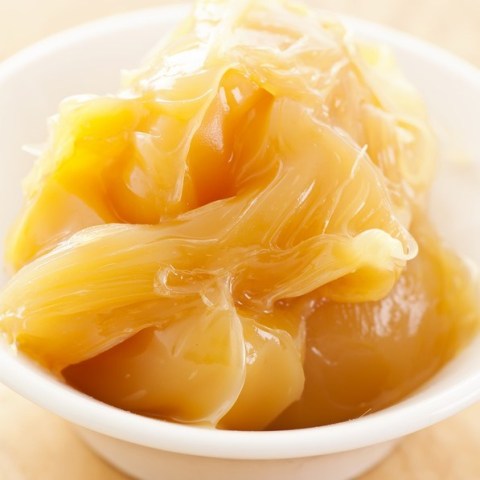
The first great property of lanolin is that it makes wool fibers water-repellent. Just like with sheep, this means a wool cover keeps the moisture away – only this time, it keeps it inside the diaper, not outside.
The second, almost unbelievable benefit is that lanolin actually breaks urine down into its basic elements – water and salts. This means that if the cover feels a little damp after use, you can simply air it out and use it again without washing. Of course, if there’s a bigger accident or you can still smell urine after it has dried, then it’s time for a wash. In most cases, this only happens every 4–6 weeks.
It’s also good to know that lanolin naturally moisturizes the skin and has antifungal and antibacterial properties. The last two are especially handy when it comes to diapering.
Wool cloth diapers, not surprisingly, should be washed with a wool detergent or baby shampoo, either in lukewarm water by hand or on a wool cycle. After that comes lanolizing, and they’re ready to go again. When drying, just make sure not to hang them, as wet wool can easily stretch out and lose its nice shape.
You can lanolize either with a ready-made lanolin treatment made especially for wool diaper covers (the easier option), or with pure lanolin – the thick, caramel-like stuff (also not difficult to use).
With a lanolin treatment, all you need to do is dissolve 2–3 tablespoons in lukewarm water – just enough to cover the inside-out wool cover – and let it soak for a few hours.
With pure lanolin, you have two options. One is to mix it with a little hot water and baby shampoo until it forms a milky solution, then dilute it with cold water until it’s lukewarm and soak the covers in it. The other is the “dab and rub” method: simply spread the lanolin onto the inside of the wool cover, the part that touches your baby’s skin.
If the cover feels sticky after either method, just wipe it down with a plain cotton cloth or roll the wool cover up inside one.
Wool Covers Made Simple – How to Get Started

The most important thing is to always use it with a fitted diaper inside. On its own, a wool cover isn’t enough – if moisture gets on it directly, it will leak through.
Think of it like a PUL cover, only more natural and longer-lasting – which means you always need an absorbent layer underneath. Wool covers work best when they’re not too tight, so the liquid doesn’t get squeezed out. That’s why you’ll need an inner that stays securely on your baby by itself, because the wool cover isn’t meant to hold it in place.
For absorbent inners you can fold into a fitted shape, you can use flat diapers (flats) or prefold diapers (prefolds) – or you can simply choose a ready-made fitted diaper (fitted).
Wool Diapers: The Main Types
Just like with every type of cloth diaper, there are different options here too – and you can choose the one that works best for you.
For sleep time, we mostly recommend the fitted style, since there are no snaps or elastic that could press on little legs or a round tummy. You simply slip the baby into it – that’s all. Brands like Disana, and Popolini all offer this type. Each one is a bit different, but they’re all equally wonderful.
- Popolini and Disana have a more traditional look. Both are double-knitted, made of 100% wool, and manufactured in Germany.
- –
Both brands make their wool diapers in a fitted style – but here comes the surprise!

The new Puppi adjustable-size nappy covers have just arrived – and they’re absolutely adorable! Made from 100% wool in Poland, they’re a little different from the wool longies: these are sewn from thin wool flannel, which makes them perfect for summer too. Light, breathable, and comfy – you’ll love putting them on your baby.
The makers of Puppi have thought of the tiniest babies too: there’s a newborn cover, plus a small adjustable size up to 9 kg that keeps the nappy really trim. After that come the true “Forever pieces” (and yes, there’s even an OS+ size for the extra chubby little ones). Puppi nappies are truly versatile covers you can use anytime, anywhere – and we’re pretty sure they’ll soon become your favourites.
How many should you buy?
If you use only wool covers, you’ll need about 5–6 pieces in one size (or in total, if they’re adjustable).
If you want to combine them with other covers – for example, PUL – then it’s enough to have 2 wool covers in your stash (so while one is airing out, you can use the other).
For continuous use, you’ll need about 20 absorbent inserts. These can be a mix of fitted diapers, flat diapers, or prefolds.
Wool nappy cover washing guide
You only need to wash your wool cover every 4–6 weeks, or sooner if it still smells unpleasant after airing or in case of a “big accident.” After removing any stains and rinsing it in water with baby shampoo or wool detergent, you’ll need to restore the waterproofing of the wool cover as follows:
In a small basin of lukewarm water (around 40 °C), add some baby shampoo and dissolve one heaping teaspoon of lanolin. By the time it’s fully dissolved, the water will have cooled. Place the wool cover into the solution and leave it to soak for 8–10 hours (overnight). Over time, a whitish lanolin layer will appear on it.
Gently press the water out of it, and instead of wringing it (which you should avoid), fold it into a towel and press it carefully. Lay it out to dry in a well-ventilated place (but not in direct sunlight or on a radiator), preferably flat.
After it has dried, wrap it in a muslin cloth to remove any sticky residue.
You can watch the step-by-step process of washing and lanolizing wool here.
**You can find lanolin in our webshop, or in many drugstores and natural baby care shops under names like ‘pure lanolin’ or ‘wool care lanolin’. Always make sure it’s 100% pure lanolin without additives. Some parents also use nipple creams that contain only lanolin, but the pure version for wool care is the most convenient.
This brings us to the end of our guide on wool cloth nappies, where we’ve covered the most common questions. If there’s still something you’d like to know, feel free to leave a comment!
Who we are?

Veronika Farkas – Your Cloth Diaper Mentor from temiti.hu
Looking for the perfect cloth diaper?
I’m here to help you find it – so you can one day say: “Cloth diapers were one of the best things we started with our baby!”
Every baby is different, and every parent has their own needs. That’s why I guide you through the overwhelming choices and help you pick the diapers that truly work for your little one.
At temiti.hu – Cloth Diaper Webshop, I’ve gathered a trusted selection of high-quality, tested cloth diapers and accessories for every baby shape and stage.